One moment in Stranger With a Camera that really stuck with me through the rest of the viewing was when the documentarian Elizabeth Barrett said, “Can filmmakers show poverty without shaming the people they portray?” The ethical tension revealed in this moment was between the public good, in this case O’Connor’s mission to end poverty by tackling its root cause, and the privacy of individual subjects, including the family being filmed and the broader community. The tension lies in the relaxation that while this documentary was made with the intention of securing the poor, it can put those that are being recorded on a negative pedestal, reinforcing negative stereotypes and psychological harm, which can shame the people that the documentary was meant for, which in this case was the Appalachian community.
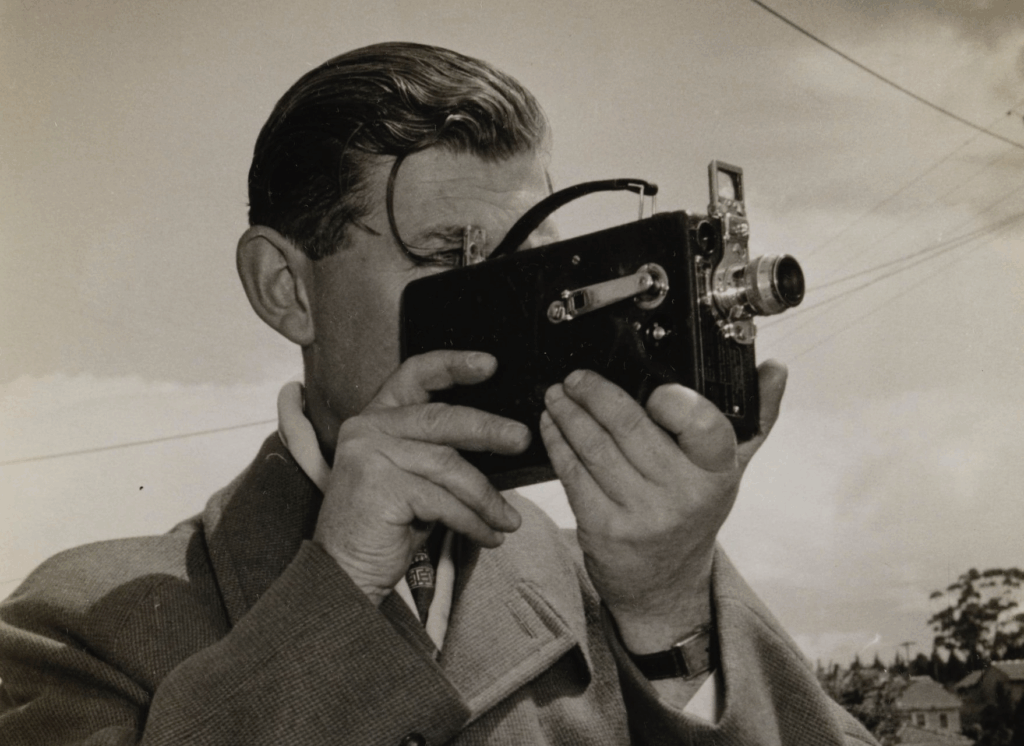
The film represents the tension by centering the focus on O’Connor, the one who was murdered, and Ison, the murderer. O’Connor’s intention was to document the poverty in the region, and his belief was that showing the truth would bring attention to the nation. Ison, however, when seeing O’Connor’s camera, believed that it was a tool of exploitation and shaming the region to the outside world. The community deserves a right to dignity and privacy, and the media exposed them. Ison’s reaction was extreme as he murdered O’Connor because he felt that this documentary was shaming the people of Appalachia. While O’Connor started packing up his equipment after shooting, Ison came and yelled at O’Connor, “Get off my property,” and he took 5 shots towards the camera and also shot O’Connor. This represents a complex relationship between social action and social embarrassment.
One section from Cole’s that illustrates a similar tension is on page 86 when he says, “documentary work is bound somewhat to pull down those who do it, those who probe and scrutinize the undertow of the world.” When reading this quote again after watching the documentary, I saw many similarities in the way that Coles’s idea of the documentarian being “pulled down” by the work relates to Barrett’s film, as it captures the costs that the community feels personally due to trauma, making her feel the need to confront that she may have contributed to a man’s death.
In order to address that tension, a documentarian should do deep self-reflection. I believe filmmakers should constantly question the goal of the documentary itself. I believe that documentarians should try not to use the subjects’ pain to advance their own career or to satisfy the audience. Everyone’s feelings should be considered, which can be hard to do, but should be done in the most mature way possible. I think that Barrett grapples with this verbally in the documentary by saying, “A camera is like a gun, it’s threatening.” She realizes that a documentary is invasive, exploitative, and it is never the whole story. Barrett engages in self-scrutiny by structuring the documentary to examine the idea from all sides. By interviewing the community members thirty years later, she talks about the legacy and the consequences of the documentary image.
Leave a Reply